Resources
Common Seed Terms
When browsing seed catalogs and packets, gardeners encounter terminology that describes how plants grow and produce. Annual plants complete their entire life cycle within a single growing season, from seed to flower to seed again. Biennials require two seasons to finish their cycle, typically producing foliage the first year and flowers and seeds the second. Perennials live for three or more years, returning season after season from the same root system. Understanding these classifications helps gardeners plan their plots effectively, ensuring they select varieties suited to their climate and the time they wish to invest in their garden's development.
Hybrid seeds result from the controlled cross-pollination of two distinct parent varieties, combining desirable traits from each. These seeds often produce plants with improved vigor, uniformity, disease resistance, or specific characteristics such as larger blooms or earlier fruiting. Open-pollinated varieties, by contrast, are pollinated naturally by insects, birds, wind, or other natural mechanisms. Seeds saved from open-pollinated plants will grow true to type, allowing gardeners to collect and replant their own seed year after year, preserving heirloom strains and regional adaptations.
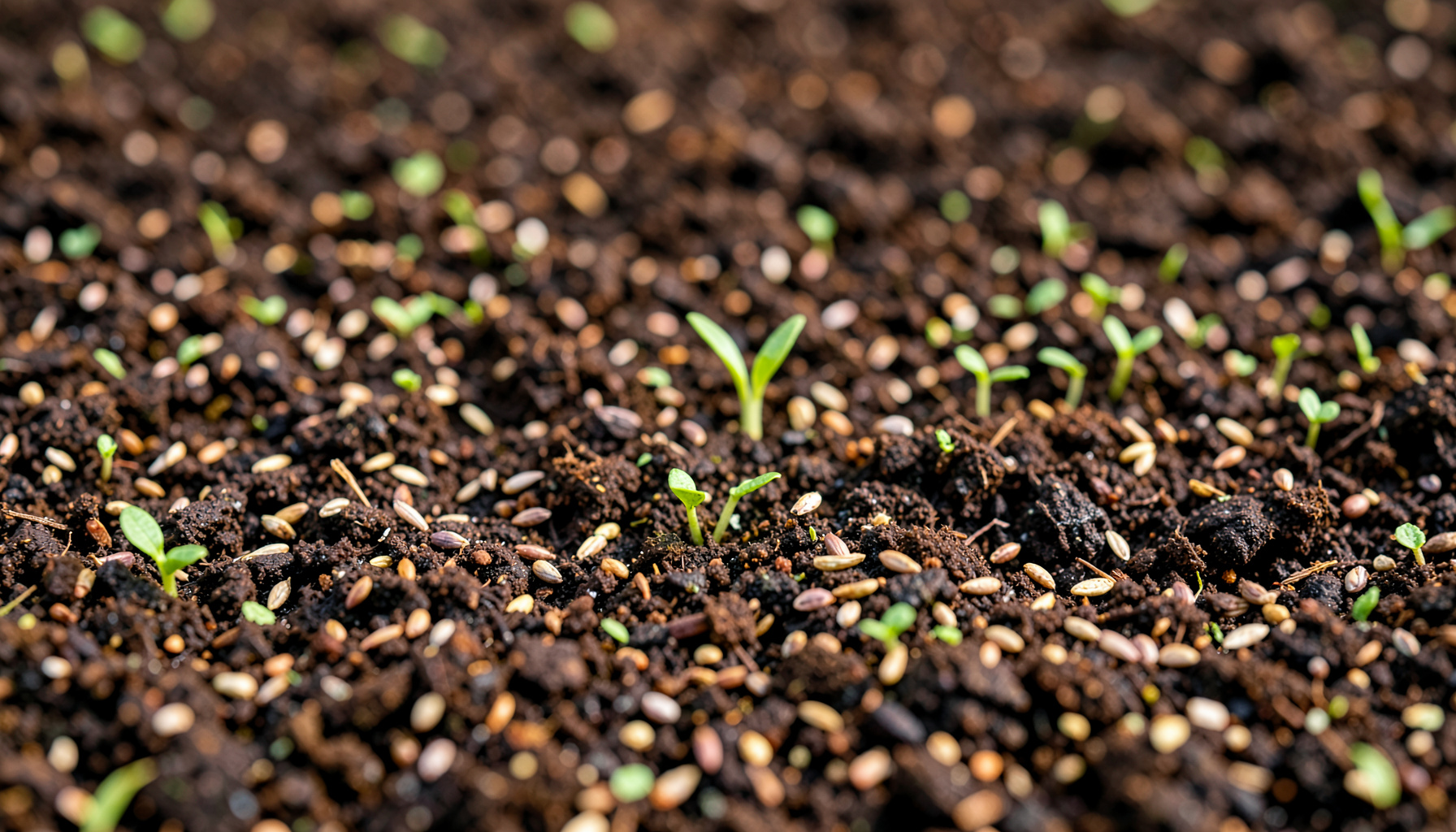
Germination refers to the process by which a seed emerges from dormancy and begins to sprout. Several factors influence successful germination, including soil temperature, moisture levels, and exposure to light or darkness depending on the species. Some seeds require a period of cold stratification, mimicking winter conditions, before they will break dormancy. Others need scarification, where the hard seed coat is nicked or softened to allow water to penetrate. Understanding these requirements helps growers achieve strong, even stands of seedlings ready for transplanting or thinning.
Days to maturity indicates the approximate time from planting until a crop reaches harvest readiness. For vegetables, this number typically counts from transplanting or from the emergence of seedlings, depending on the seed company's convention. Cool-season crops like peas and lettuce reach maturity more quickly and can be planted early in spring. Warm-season crops such as tomatoes and peppers require more days and warmer soil temperatures. Gardeners in regions with shorter growing seasons should select varieties with lower days to maturity to ensure a successful harvest before the first autumn frost.
Seed treatments and coatings are applied to many commercial seeds to improve their performance. Inoculants introduce beneficial bacteria that help legumes fix nitrogen from the atmosphere, enriching the soil naturally. Pelleted seeds are coated with an inert material that creates a uniform, round shape, making them easier to handle and space accurately when sowing tiny seeds like lettuce or carrots. Treated seeds may carry fungicides or insecticides to protect against soil-borne diseases and early pests. Always check seed packet labels for treatment information, as some coatings affect handling, storage, and organic gardening practices.